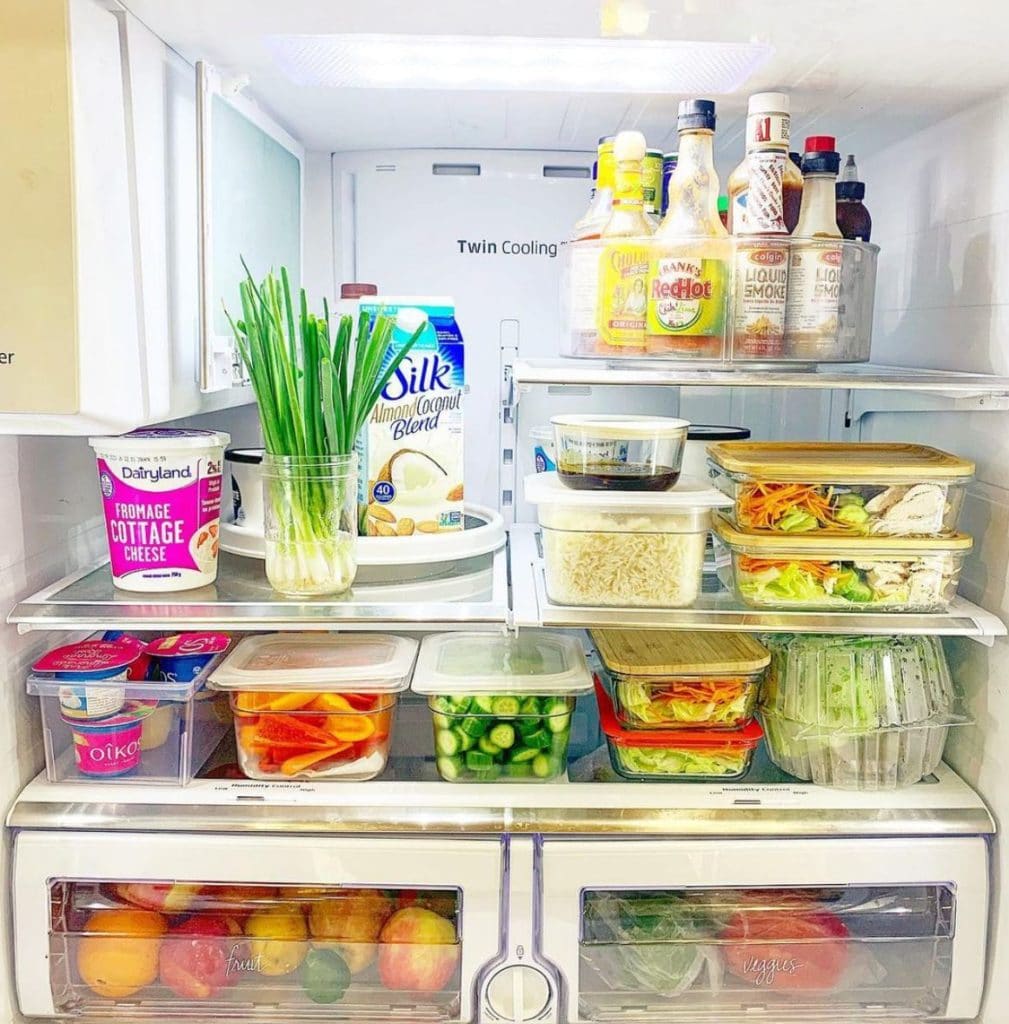
Are you tired of standing in front of your fridge, staring blankly at the shelves, and wondering what to cook for dinner? Do you find yourself ordering takeout or relying on processed foods because meal planning seems too overwhelming? You're not alone. Meal planning can seem like a daunting task, especially for beginners. But the truth is, it's easier than you think, and it can save you time and money in the long run. In this article, we'll break down the basics of meal planning and provide you with some simple tips to get you started.
Why Meal Planning is Important
Meal planning is essential for several reasons. First and foremost, it saves you time. When you plan your meals in advance, you can make a grocery list and shop for all the ingredients you need at once. This means you'll spend less time wandering the aisles of the supermarket, trying to decide what to cook. Meal planning also helps you save money. By buying only what you need, you'll reduce food waste and avoid impulse purchases. Plus, cooking at home is generally healthier and cheaper than eating out or relying on processed foods.
So, how do you get started with meal planning? The first step is to determine your dietary goals and preferences. Do you follow a specific diet, such as vegan or gluten-free? Do you have any food allergies or intolerances? Make a list of your favorite foods and ingredients, as well as any foods you dislike or need to avoid. This will help you create a personalized meal plan that suits your needs and tastes.

Step 1: Plan Your Meals
Next, decide on the number of meals you want to plan for. This could be breakfast, lunch, and dinner for the entire week, or just dinner for a few nights. Start by brainstorming a list of meal ideas. You can find inspiration online, in cookbooks, or by asking friends and family for suggestions. Consider your schedule and lifestyle, too. If you have a busy week ahead, you may want to plan for simpler meals that can be cooked quickly. If you have more time, you can try something new and more complex.
Once you have a list of meal ideas, start assigning them to specific days of the week. Be sure to include a balance of different food groups and nutrients. You can also consider themes, such as "Taco Tuesday" or "Slow Cooker Sunday." This will help add some variety and fun to your meal plan.
 Tips and Tricks" loading="lazy" style="max-width:700px;width:100%;height:auto;border-radius:8px;">
Creating a Grocery List
With your meal plan in place, it's time to create a grocery list. Go through each meal and make a list of the ingredients you need. Check your pantry, fridge, and freezer to see what you already have on hand. This will help you avoid buying duplicate ingredients and reduce waste. You can also use this opportunity to clean out your pantry and get rid of any expired or unused items.
When you're at the grocery store, stick to your list as much as possible. Try to avoid browsing the aisles or grabbing impulse items. Remember, the goal of meal planning is to save time and money, so stay focused and disciplined. If you see something that's on sale or looks appealing, you can always add it to your list for next week.

Meal Planning Tips and Tricks
Now that you have the basics of meal planning down, here are some additional tips and tricks to help you succeed. First, keep it simple. Don't feel like you need to create complex, gourmet meals. Simple, one-pot dishes or slow cooker recipes can be just as delicious and satisfying. Second, be flexible. Life can be unpredictable, and things don't always go as planned. If you need to switch up your meal plan, don't stress. Just adjust your plan and move forward.
Another tip is to cook in bulk. If you're making a big batch of rice or roasted vegetables, consider cooking extra and using it for future meals. This can save you time and reduce food waste. You can also use leftovers to create new meals, such as turning last night's dinner into tomorrow's lunch.

Meal Planning Apps and Tools
If you're struggling to stay organized or need some extra help with meal planning, there are many apps and tools available. Some popular options include Plan to Eat, Yummly, and Mealime. These apps allow you to create and organize your meal plan, generate grocery lists, and even find new recipe ideas. You can also use digital calendars or planners to stay on track and remind you of upcoming meals.
In addition to apps and tools, there are many online resources and communities dedicated to meal planning. You can find meal planning challenges, recipe swaps, and support groups on social media platforms like Facebook and Instagram. These can be a great way to connect with others, share ideas, and stay motivated.

Common Meal Planning Mistakes
As a beginner, it's easy to make mistakes when it comes to meal planning. One common mistake is being too ambitious. Don't try to plan too many complex meals or overcommit yourself. Start small and gradually build up your meal planning skills. Another mistake is not considering your schedule and lifestyle. Make sure you're planning meals that fit your busy days and weeks.
Another mistake is not leaving room for flexibility. As we mentioned earlier, life can be unpredictable, and things don't always go as planned. Don't be too hard on yourself if you need to adjust your meal plan. Simply make the necessary changes and move forward. Finally, don't forget to include snacks and beverages in your meal plan. These can be easy to overlook, but they're an essential part of a healthy and balanced diet.
Conclusion
Meal planning may seem daunting at first, but it's a simple and effective way to save time and money. By following these tips and tricks, you can create a personalized meal plan that suits your needs and tastes. Remember to keep it simple, be flexible, and have fun with the process. Don't be afraid to try new things and experiment with different ingredients and recipes. And most importantly, don't give up. Meal planning is a skill that takes time and practice to develop, so be patient and stay committed to your goals.
With a little practice and patience, you'll be a meal planning pro in no time. You'll be saving time and money, eating healthier and more balanced meals, and enjoying the benefits of a stress-free kitchen. So why not get started today? Take the first step towards a more organized and efficient kitchen, and start meal planning like a pro. [IMAGE]