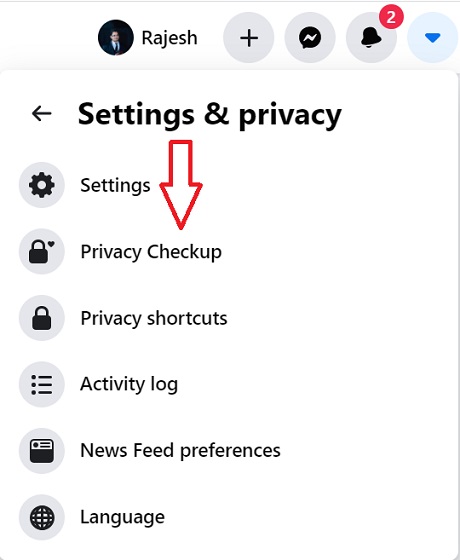
In today's digital age, social media has become an integral part of our lives. We use it to connect with friends and family, share our experiences, and stay updated on current events. However, with the increasing use of social media, there is a growing concern about privacy. Many of us are unaware of the fact that our personal information and activities on social media are being tracked and used by companies and individuals for various purposes. In this article, we will discuss how to protect your privacy on social media and keep your personal information safe.
Understanding Social Media Privacy
Social media platforms like Facebook, Twitter, and Instagram have become a part of our daily lives. We share our thoughts, feelings, and experiences on these platforms, often without realizing the potential consequences. Social media companies collect and store our personal data, including our names, email addresses, phone numbers, and even our locations. This information is used to create targeted advertisements and to sell to third-party companies. To protect your privacy on social media, it is essential to understand how these platforms work and what information they collect.

Types of Information Collected by Social Media
Social media companies collect various types of information from their users. This includes:
- Personal data: name, email address, phone number, location, etc.
- Activity data: posts, comments, likes, shares, etc.
- Browsing history: websites visited, search queries, etc.
- Device information: device type, operating system, browser type, etc.
This information is used to create a profile of the user, which is then used to target advertisements and sell to third-party companies.
Setting Up Your Social Media Accounts for Privacy
To protect your privacy on social media, it is essential to set up your accounts correctly. Here are some steps you can follow:
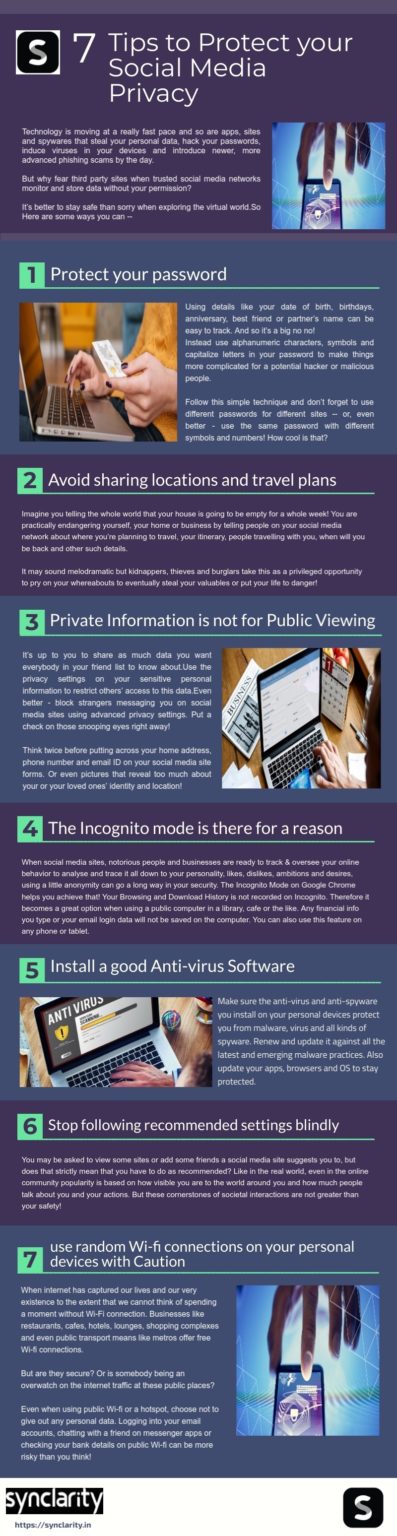
- Use strong and unique passwords for each account.
- Enable two-factor authentication to add an extra layer of security.
- Be cautious when granting permissions to third-party apps.
- Use a private browser or incognito mode when accessing social media.
By following these steps, you can reduce the risk of your account being hacked and your personal information being compromised.
Using Social Media Privacy Settings
Most social media platforms have built-in privacy settings that allow you to control who can see your posts, photos, and other information. Here are some steps you can follow to use these settings:
- Review your account settings and adjust them to limit who can see your information.
- Use the "friends" or "private" setting to limit who can see your posts and photos.
- Be cautious when using location-based services, as they can reveal your location to others.
By using these settings, you can control who can see your information and reduce the risk of your personal data being misused.
Being Mindful of What You Share on Social Media
What you share on social media can have a significant impact on your privacy. Here are some tips to help you be mindful of what you share:
- Think before you post: consider the potential consequences of sharing a post or photo.
- Be cautious when sharing personal information: avoid sharing sensitive information, such as your address or phone number.
- Use social media responsibly: avoid sharing inflammatory or provocative content that could attract unwanted attention.
By being mindful of what you share on social media, you can reduce the risk of your personal information being misused and protect your online reputation.
Avoiding Social Media Scams and Phishing Attacks
Social media scams and phishing attacks are common and can compromise your personal information. Here are some tips to help you avoid them:
- Be cautious when clicking on links or downloading attachments from unknown sources.
- Avoid responding to suspicious messages or emails.
- Use antivirus software and a firewall to protect your device from malware and other online threats.
By being aware of these scams and taking steps to avoid them, you can protect your personal information and keep your online accounts secure.
Using Third-Party Tools to Enhance Social Media Privacy
There are several third-party tools available that can help enhance social media privacy. Here are some options:
- Social media blockers: these tools can block social media tracking and prevent companies from collecting your personal data.
- VPNs: virtual private networks can encrypt your internet traffic and protect your personal data from being intercepted.
- Password managers: these tools can help you generate and store strong and unique passwords for each of your social media accounts.
By using these tools, you can add an extra layer of protection to your social media accounts and keep your personal information safe.
Staying Up-to-Date with Social Media Privacy Updates
Social media companies are constantly updating their policies and procedures. To stay ahead of the game, it's essential to stay up-to-date with the latest social media privacy updates. Here are some tips:
- Follow social media companies on their blogs or news pages.
- Sign up for newsletters or alerts to stay informed about changes to social media policies.
- Participate in online communities or forums to stay informed about the latest social media trends and best practices.
By staying up-to-date with the latest social media privacy updates, you can ensure that you're always using the latest tools and techniques to protect your personal information.
Conclusion
Protecting your privacy on social media is essential in today's digital age. By understanding how social media works, setting up your accounts correctly, using social media privacy settings, being mindful of what you share, avoiding scams and phishing attacks, using third-party tools, and staying up-to-date with the latest social media privacy updates, you can keep your personal information safe and secure. Remember, social media is a powerful tool that can be used for good or bad, so it's essential to use it responsibly and with caution.