
In today's digital age, having a website is no longer a luxury, but a necessity for small businesses. With the majority of consumers turning to the internet to find products and services, a website is an essential tool for reaching new customers and growing your business. In this article, we'll explore why every small business needs a website in 2026, and how it can help take your business to the next level.
Establishing Credibility
A website is often the first point of contact between a customer and a business. It's where potential customers go to learn more about your products or services, and to get a sense of what your business is all about. Without a website, you may appear unprofessional or unestablished, which can be a major turn-off for potential customers. A website, on the other hand, shows that you're a legitimate business that's invested in your online presence. It's like having a digital storefront that's open 24/7, where customers can come to learn more about your business and what you have to offer.

In addition to establishing credibility, a website also provides a platform for you to showcase your products or services. You can include detailed descriptions, images, and even videos to give customers a better understanding of what you have to offer. This can be especially helpful for businesses that offer complex or intangible services, where it can be difficult for customers to understand what they're getting. By providing a clear and concise overview of your products or services, you can help build trust with potential customers and increase the chances of them doing business with you.
Reaching a Wider Audience
Another major benefit of having a website is that it allows you to reach a wider audience. Without a website, you're limited to reaching customers through traditional means, such as word-of-mouth or local advertising. A website, on the other hand, can be accessed by anyone with an internet connection, which means you can reach customers from all over the world. This can be especially helpful for small businesses that may not have the resources to advertise on a large scale. By having a website, you can level the playing field and compete with larger businesses for customers.

In addition to reaching a wider audience, a website also provides a platform for you to target specific demographics or interests. You can use search engine optimization (SEO) techniques to ensure that your website appears near the top of search engine results for specific keywords or phrases. This can help you attract high-quality traffic to your website, and increase the chances of converting visitors into customers. By targeting specific demographics or interests, you can also tailor your marketing efforts to specific groups, which can help you get a better return on investment.
Measuring Success
One of the biggest advantages of having a website is that it provides a way to measure the success of your marketing efforts. With traditional forms of advertising, it can be difficult to track the effectiveness of your ads. A website, on the other hand, provides a wealth of data and analytics that can help you understand how visitors are interacting with your site. You can use tools like Google Analytics to track metrics such as page views, bounce rate, and conversion rate, which can give you a better understanding of what's working and what's not.
By analyzing this data, you can make informed decisions about how to improve your website and marketing efforts. For example, if you notice that a certain page on your website has a high bounce rate, you may want to revisit the content and user experience to see if there's anything you can do to improve it. Similarly, if you notice that a certain demographic is converting at a higher rate than others, you may want to tailor your marketing efforts to target that group. By using data and analytics to inform your decisions, you can optimize your website and marketing efforts for better results.
Cost-Effective Marketing
Another major benefit of having a website is that it provides a cost-effective way to market your business. Traditional forms of advertising, such as print or television ads, can be expensive and may not provide a good return on investment. A website, on the other hand, can be a relatively low-cost way to reach a large audience. You can use your website to promote your products or services, share news and updates, and even offer special promotions or discounts to customers.

In addition to being cost-effective, a website also provides a way to automate many of your marketing efforts. You can use tools like email marketing software to send targeted campaigns to your customers, or use social media scheduling tools to schedule posts in advance. By automating your marketing efforts, you can save time and resources, and focus on other areas of your business. This can be especially helpful for small businesses that may not have the resources to dedicate to marketing full-time.
Competing with Larger Businesses
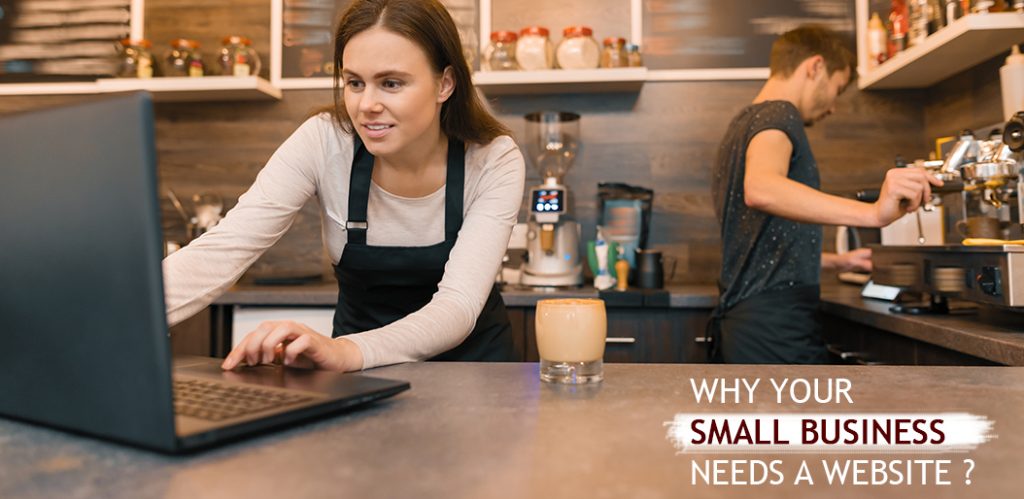
One of the biggest challenges that small businesses face is competing with larger businesses. Larger businesses often have more resources and a stronger online presence, which can make it difficult for small businesses to compete. A website, however, can help level the playing field. By having a professional and well-designed website, you can compete with larger businesses for customers and establish yourself as a credible and trustworthy business.
In addition to competing with larger businesses, a website can also help you differentiate yourself from the competition. You can use your website to showcase your unique value proposition, and to highlight what sets you apart from other businesses. By differentiating yourself from the competition, you can attract customers who are looking for something unique and special, and increase the chances of them doing business with you.
Building Relationships
Finally, a website provides a way to build relationships with your customers. You can use your website to share news and updates, and to provide valuable information and resources to your customers. By building relationships with your customers, you can increase customer loyalty and retention, and encourage customers to become advocates for your business. This can be especially helpful for small businesses, where word-of-mouth and customer referrals can be a major source of new business.
In conclusion, having a website is essential for small businesses in 2026. It provides a way to establish credibility, reach a wider audience, measure success, and compete with larger businesses. By having a professional and well-designed website, you can take your business to the next level and attract new customers. Whether you're just starting out or looking to grow your existing business, a website is a crucial tool that can help you achieve your goals. [IMAGE]
So if you haven't already, it's time to get online and establish a presence for your business. With the majority of consumers turning to the internet to find products and services, a website is no longer a luxury, but a necessity. By investing in a website, you can take your business to the next level and achieve the success you deserve. Don't wait any longer, get started today and see the difference a website can make for your business.