
If you've been following health and wellness trends, you've probably heard of intermittent fasting by now. It's a dietary approach that involves alternating periods of eating and fasting in order to promote weight loss, improve metabolic health, and extend lifespan. As a beginner, it can be intimidating to dive into the world of intermittent fasting, but trust me, the benefits are well worth it. In this article, we'll explore the benefits of intermittent fasting, and provide a comprehensive guide for those just starting out.
What is Intermittent Fasting?
Before we dive into the benefits, let's first define what intermittent fasting is. Intermittent fasting is an eating pattern that involves switching between periods of eating and fasting in order to promote weight loss, improve insulin sensitivity, and boost overall health. There are several different methods of intermittent fasting, including the 16:8 method, the 5:2 diet, and alternate-day fasting, among others.
Types of Intermittent Fasting
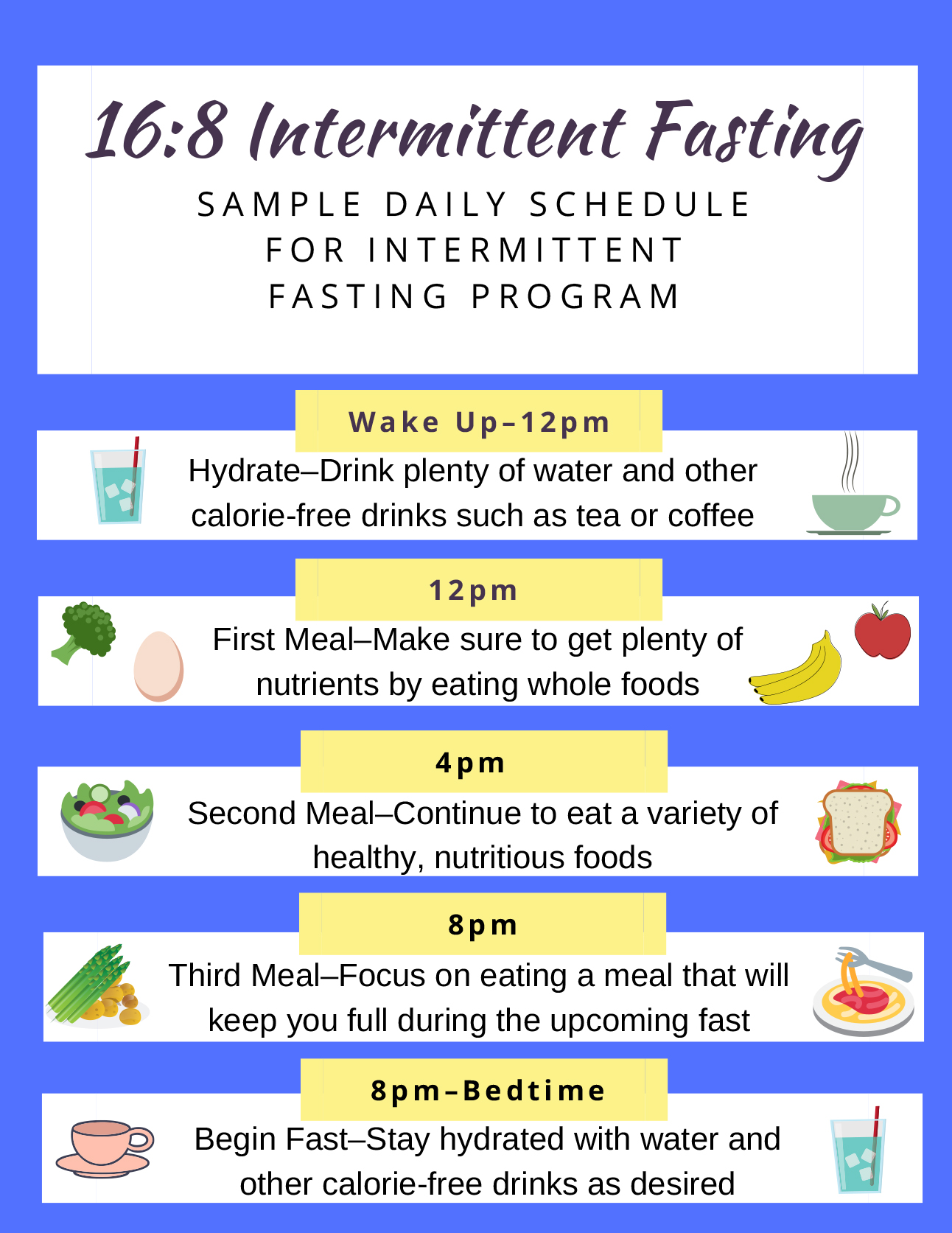
One of the most popular methods of intermittent fasting is the 16:8 method, which involves restricting your food intake to an 8-hour window, and fasting for the remaining 16 hours of the day. For example, you might eat between the hours of 10am and 6pm, and then fast from 6pm to 10am the next day. Another popular method is the 5:2 diet, which involves eating normally for 5 days of the week, and restricting your calorie intake to 500-600 calories on the other 2 days of the week.
 How to Get Started with Intermittent Fasting" loading="lazy" style="max-width:700px;width:100%;height:auto;border-radius:8px;">
Benefits of Intermittent Fasting
So, what are the benefits of intermittent fasting? For one, it can be an effective way to lose weight and improve body composition. When you fast, your body is forced to burn stored fat for energy, rather than relying on the glucose from the food you eat. This can lead to a reduction in body fat percentage, as well as an increase in lean muscle mass. Intermittent fasting has also been shown to improve insulin sensitivity, reduce inflammation, and boost cellular cleaning processes, known as autophagy.

In addition to the physical benefits, intermittent fasting can also have a profound impact on mental clarity and focus. Many people report feeling more alert and focused when they're fasting, as their body is able to produce a hormone called brain-derived neurotrophic factor (BDNF), which is involved in the growth and development of new neurons. Intermittent fasting has also been shown to reduce stress and anxiety, as it allows your body to produce more of the neurotransmitter GABA, which has a calming effect on the brain.
How to Get Started with Intermittent Fasting
Now that we've explored the benefits of intermittent fasting, let's talk about how to get started. The first step is to choose a method of intermittent fasting that works for you. If you're new to fasting, you might want to start with a more gentle approach, such as the 12-hour window method, which involves restricting your food intake to a 12-hour window, and fasting for the remaining 12 hours of the day. As you become more comfortable with fasting, you can gradually increase the duration of your fasts.
Another important step is to listen to your body and pay attention to how you're feeling. If you're feeling weak, dizzy, or experiencing other negative side effects, it may be a sign that you need to adjust your fasting schedule. It's also important to stay hydrated by drinking plenty of water during your fasting periods.
Tips for Success
One of the most important tips for success with intermittent fasting is to plan ahead. This means making a schedule and sticking to it, as well as preparing healthy meals and snacks in advance. It's also important to be kind to yourself and not get too discouraged if you slip up. Remember, it's a process, and it may take some time to adjust to the new eating pattern.
Another tip is to find a support system, such as a friend or family member who is also practicing intermittent fasting. This can be a great way to stay motivated and accountable, as well as to share tips and advice. You can also join online communities or forums to connect with other people who are practicing intermittent fasting.
Common Mistakes to Avoid
As with any new diet or lifestyle change, there are some common mistakes to avoid when it comes to intermittent fasting. One of the most common mistakes is to try to fast for too long, too soon. This can lead to feelings of burnout and deprivation, and may cause you to give up on the whole idea of intermittent fasting. Instead, start with a more gentle approach and gradually increase the duration of your fasts as you become more comfortable.
Another mistake is to neglect your nutrition during your eating windows. Just because you're fasting for part of the day, doesn't mean you can eat whatever you want during your eating windows. Focus on whole, nutrient-dense foods, such as fruits, vegetables, lean proteins, and healthy fats. Avoid processed and packaged foods, which are often high in sugar, salt, and unhealthy fats.
Finally, don't be too hard on yourself if you slip up. Remember, it's a process, and it may take some time to adjust to the new eating pattern. Don't get discouraged if you miss a day or two, just get back on track and keep moving forward. With time and practice, you'll find that intermittent fasting becomes second nature, and you'll be on your way to achieving your health and wellness goals.
Conclusion
In conclusion, intermittent fasting is a powerful tool for improving overall health and wellness. By incorporating intermittent fasting into your lifestyle, you can experience a range of benefits, from weight loss and improved insulin sensitivity, to increased mental clarity and reduced inflammation. Remember to start slow, listen to your body, and be kind to yourself as you navigate the process. With time and practice, you'll find that intermittent fasting becomes a sustainable and enjoyable part of your daily routine.
As you begin your journey with intermittent fasting, keep in mind that it's not just about the food you eat, but also about the lifestyle you lead. Make sure to get enough sleep, stay hydrated, and engage in regular physical activity. By combining intermittent fasting with a healthy lifestyle, you'll be on your way to achieving optimal health and wellness. So, what are you waiting for? Start your intermittent fasting journey today, and experience the transformative power of this simple yet effective practice.