
The connection between gut health and mental wellness is a topic that has gained significant attention in recent years. As research continues to unravel the complex relationships between our gut, brain, and overall well-being, it's becoming increasingly clear that the health of our gut plays a crucial role in our mental health. In this article, we'll delve into the fascinating world of gut-brain connections and explore the ways in which our gut health influences our mental wellness.
Introduction to the Gut-Brain Axis
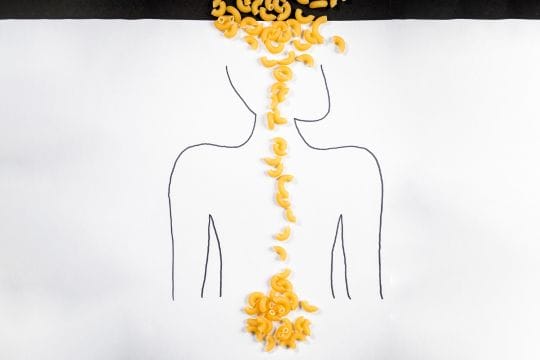
The gut-brain axis refers to the bidirectional communication network between the central nervous system (CNS), including the brain, and the enteric nervous system (ENS), which is often referred to as the "little brain" of the gut. This complex network allows for the exchange of information between the gut and the brain, influencing various physiological processes, including digestion, metabolism, and even mood regulation. The gut and the brain are connected through the vagus nerve, which is the primary pathway for communication between the two systems.

The Role of Gut Bacteria in Mental Health
The gut microbiome, composed of trillions of microorganisms, plays a vital role in maintaining a healthy balance between the gut and the brain. An imbalance of gut bacteria, also known as dysbiosis, has been linked to various mental health conditions, including anxiety, depression, and bipolar disorder. Research has shown that certain strains of bacteria, such as Bifidobacterium and Lactobacillus, have a positive impact on mental health, while others, like Clostridium and Escherichia, may contribute to mental health issues. The mechanisms by which gut bacteria influence mental health are complex and multifaceted, involving the production of neurotransmitters, hormones, and other signaling molecules that interact with the brain.
The gut microbiome also produces certain metabolites, such as short-chain fatty acids (SCFAs), which have been shown to have anti-inflammatory effects and promote the growth of new neurons in the brain. A healthy gut microbiome is essential for maintaining the integrity of the gut barrier, preventing the translocation of toxins and undigested food particles into the bloodstream, and promoting the absorption of essential nutrients. An imbalance of the gut microbiome can lead to increased inflammation, oxidative stress, and impaired cognitive function, all of which can contribute to the development of mental health disorders.
The Impact of Diet on Gut Health and Mental Wellness
Diet plays a critical role in shaping the gut microbiome and, subsequently, our mental health. A diet rich in whole, unprocessed foods, such as fruits, vegetables, whole grains, and lean proteins, provides the necessary nutrients and fiber for the growth and maintenance of a healthy gut microbiome. On the other hand, a diet high in processed and sugary foods can lead to an imbalance of the gut microbiome, promoting the growth of pathogenic bacteria and contributing to mental health issues.
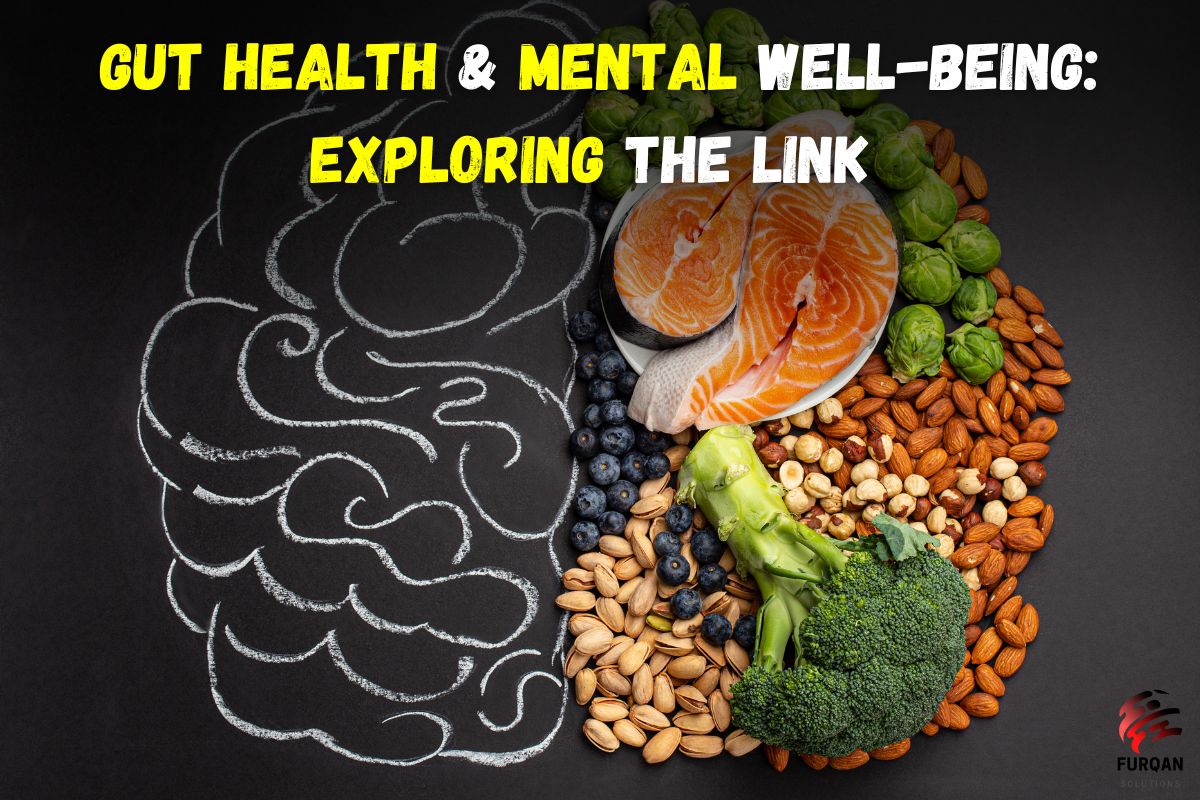
Some of the key nutrients that support gut health and mental wellness include omega-3 fatty acids, vitamin D, and magnesium. Omega-3 fatty acids, found in fatty fish, nuts, and seeds, have anti-inflammatory effects and support the growth of beneficial bacteria in the gut. Vitamin D, essential for the regulation of calcium levels and bone health, also plays a role in maintaining the integrity of the gut barrier and promoting the production of neurotransmitters. Magnesium, a mineral involved in numerous physiological processes, including muscle relaxation and energy production, can help reduce stress and anxiety by promoting the activity of neurotransmitters like GABA and serotonin.
The Connection Between Gut Health and Specific Mental Health Conditions
Research has shown that gut health is closely linked to various mental health conditions, including anxiety, depression, and bipolar disorder. Individuals with these conditions often exhibit alterations in their gut microbiome, including reduced diversity and an overgrowth of pathogenic bacteria. The gut-brain axis is thought to play a key role in the development and progression of these conditions, with the gut influencing the brain through the production of neurotransmitters, hormones, and other signaling molecules.
Anxiety, for example, has been linked to an imbalance of the gut microbiome, with increased levels of cortisol and other stress hormones contributing to the development of anxiety symptoms. Depression, on the other hand, has been associated with reduced levels of certain neurotransmitters, such as serotonin and dopamine, which are produced in the gut and play a crucial role in mood regulation. Bipolar disorder, characterized by fluctuations in mood and energy, has been linked to alterations in the gut microbiome, including an overgrowth of pathogenic bacteria and reduced levels of beneficial bacteria.
Strategies for Promoting Gut Health and Mental Wellness
Fortunately, there are several strategies that can help promote gut health and mental wellness. These include:
1. Eating a balanced diet rich in whole, unprocessed foods
2. Incorporating fermented foods, such as yogurt and sauerkraut, into your diet
3. Taking probiotics or prebiotics to support the growth of beneficial bacteria
4. Practicing stress-reducing techniques, such as meditation and yoga
5. Getting enough sleep and engaging in regular exercise

By incorporating these strategies into your daily routine, you can help promote a healthy balance between your gut and brain, reducing your risk of mental health issues and supporting overall well-being. Remember, the connection between gut health and mental wellness is complex and bidirectional, and taking care of your gut is essential for maintaining optimal mental health.
Conclusion
In conclusion, the connection between gut health and mental wellness is a fascinating and complex topic that highlights the intricate relationships between our gut, brain, and overall well-being. By understanding the role of the gut microbiome in mental health and incorporating strategies to promote gut health, we can take a proactive approach to supporting our mental wellness and reducing our risk of mental health issues. Remember, a healthy gut is essential for a healthy brain, and by taking care of your gut, you can help promote optimal mental health and well-being.