
Are you tired of feeling claustrophobic in your small bedroom? Do you dream of having a peaceful retreat that feels spacious and relaxing? You're not alone. Many of us struggle with small bedrooms, but the good news is that with a few clever tricks and techniques, you can create a space that feels larger than it actually is. In this article, we'll explore some tips and ideas for a small bedroom makeover that will help you maximize your space and create a serene oasis.
Assessing Your Space
Before you start making any changes, it's essential to take stock of your bedroom. Take a good hard look at the room and think about how you use it. What are your priorities? Do you need a desk for working or studying? Do you like to read in bed or have a cozy reading nook? Consider the natural light, the location of doors and windows, and the overall flow of the room. Make a list of the things you love about your bedroom and the things you'd like to change. This will help you focus your efforts and create a clear plan for your makeover.
As you're assessing your space, take note of the furniture you have and whether it's working for you. Are there any pieces that are too large or bulky for the room? Are there any items that you no longer need or use? Consider letting go of anything that's no longer serving you, and think about how you can repurpose or replace existing furniture to better suit your needs.

Choosing the Right Colors
When it comes to small bedrooms, color can play a significant role in creating the illusion of more space. Light, airy colors can make a room feel larger, while dark, rich colors can make it feel cozier and more intimate. Consider using a palette of soft, calming colors such as whites, creams, and pale blues to create a sense of serenity and relaxation. If you prefer bolder colors, use them sparingly as accents to add visual interest and depth to the room.
Remember, the key is to create a sense of flow and continuity in the room. Avoid using too many different colors or patterns, as this can create a busy, overwhelming feel. Instead, opt for a few carefully chosen hues that complement each other and create a sense of harmony.
Optimizing Your Furniture
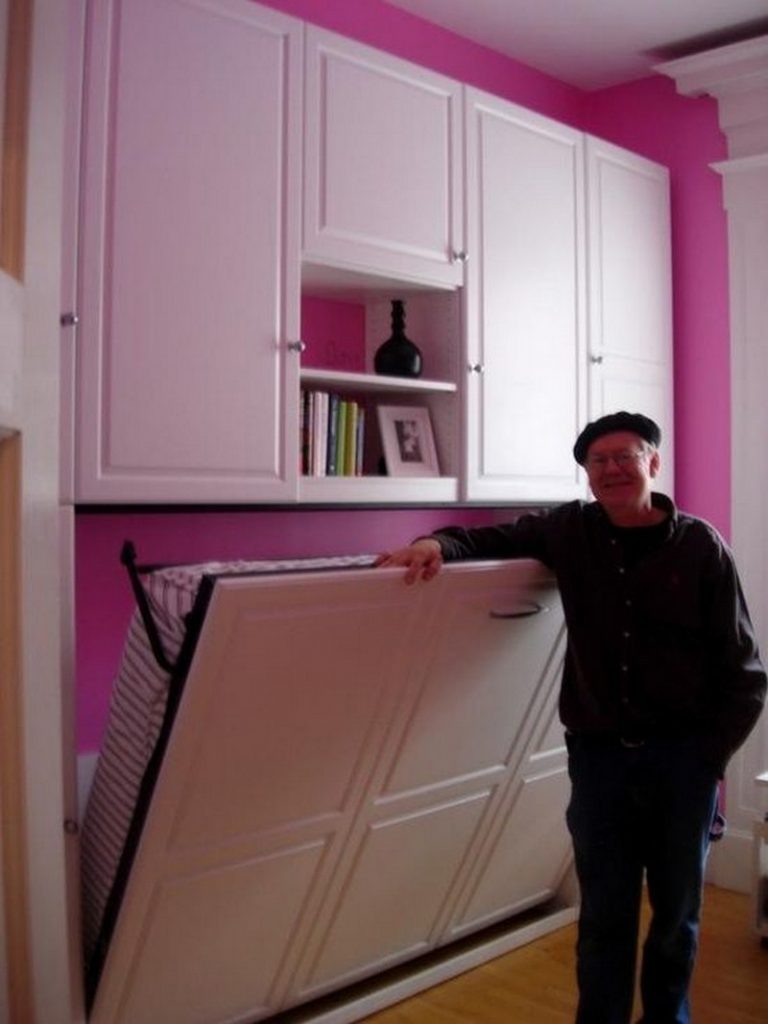
Furniture can be a major obstacle in small bedrooms, taking up valuable space and making the room feel cramped. To maximize your space, consider using multi-functional furniture pieces that serve more than one purpose. For example, a storage bed or a desk with built-in shelving can help keep clutter at bay while providing a comfortable place to sleep or work.
Another key strategy is to choose furniture that's proportionate to the room. Avoid oversized pieces that overwhelm the space, and opt instead for smaller, more compact items that fit neatly into the room. Consider using wall-mounted shelves, hooks, and storage units to keep floors and surfaces clear and create a sense of openness.

Creating a Sense of Calm
A small bedroom can quickly feel overwhelming and stressful, especially if it's cluttered and disorganized. To create a sense of calm and tranquility, focus on decluttering and simplifying the space. Get rid of anything you no longer need or use, and consider implementing a regular cleaning and organization routine to keep the room feeling fresh and peaceful.
In addition to decluttering, think about how you can create a sense of calm through sensory experiences. Soft lighting, soothing colors, and comfortable textures can all contribute to a relaxing atmosphere. Consider using aromatherapy or essential oils to create a calming scent, or adding a few plants to bring in a touch of natural beauty.

Using Lighting to Your Advantage
Lighting can have a significant impact on the feel of a small bedroom, making it feel larger, cozier, or more intimate. To maximize your space, consider using a combination of light sources, including overhead lighting, table lamps, and string lights. Avoid harsh or overly bright lighting, which can create an unflattering glare and make the room feel cold and uninviting.
Instead, opt for soft, warm lighting that creates a sense of ambiance and relaxation. Table lamps and floor lamps can be especially effective, as they can provide targeted lighting exactly where you need it. Consider using energy-efficient LED bulbs, which can provide bright, warm light while using minimal energy. By using lighting to your advantage, you can create a sense of warmth and welcome in your small bedroom, making it feel like a cozy retreat.
Adding Texture and Pattern
While it's essential to keep clutter and busy patterns to a minimum in a small bedroom, it's also important to add some visual interest and depth to the space. One way to do this is through texture and pattern. Consider adding a few throw pillows, blankets, or rugs in complementary colors and textures to create a sense of warmth and coziness.
Another strategy is to use patterned bedding, curtains, or wallpaper to add visual interest to the room. Just be sure to balance pattern with solid colors and textures to avoid overwhelming the space. Remember, the key is to create a sense of harmony and balance, rather than chaos and clutter. By adding texture and pattern thoughtfully, you can create a small bedroom that feels engaging, inviting, and relaxing.
Creating a Functional Layout
Finally, it's essential to create a functional layout that works for you. Consider the traffic flow in the room, and think about how you can create a sense of ease and efficiency. Avoid placing furniture in the middle of the room or blocking doorways, and opt instead for a layout that creates a sense of openness and flow.
Think about how you can use the room's architecture to your advantage, such as built-in shelves, alcoves, or niches. Consider using room dividers or screens to create separate areas within the room, such as a reading nook or a home office. By creating a functional layout that works for you, you can maximize your space and create a sense of calm, relaxed living. With a little creativity and planning, even the smallest bedroom can feel like a peaceful retreat.