
Building an emergency fund is one of the most important financial decisions you can make, regardless of your income level. However, when you're living on a minimum wage, it can seem like an impossible task. With barely enough money to cover your basic expenses, saving for the future may seem like a luxury you can't afford. But the truth is, having an emergency fund in place can be a lifesaver when unexpected expenses arise, and it's worth making some sacrifices to make it happen. In this article, we'll explore some practical tips on how to build an emergency fund on a minimum wage.
Understanding the Importance of an Emergency Fund
An emergency fund is a pool of money set aside to cover unexpected expenses, such as car repairs, medical bills, or losing your job. It's a financial safety net that can help you avoid going into debt when unexpected expenses arise. Without an emergency fund, you may be forced to rely on credit cards or loans to cover these expenses, which can lead to a cycle of debt that's difficult to escape. Having an emergency fund in place can give you peace of mind and help you avoid financial stress.

Assessing Your Finances
The first step to building an emergency fund on a minimum wage is to assess your finances. You need to understand where your money is going and identify areas where you can cut back. Start by tracking your income and expenses for a month to see where your money is being spent. Make a list of all your essential expenses, such as rent, utilities, food, and transportation, and then look for areas where you can cut back. Do you have any subscription services, such as streaming services or gym memberships, that you can cancel? Can you reduce your grocery bill by shopping at discount stores or using coupons? By cutting back on non-essential expenses, you can free up more money in your budget to put towards your emergency fund.
Creating a Budget
Once you have a clear picture of your finances, it's time to create a budget. A budget is a plan for how you want to allocate your money each month. It's not about depriving yourself of things you enjoy, but about making conscious decisions about how you want to spend your money. When creating a budget on a minimum wage, it's essential to prioritize your essential expenses first, such as rent and utilities. Then, you can allocate money towards your emergency fund and other savings goals. Consider using the 50/30/20 rule, where 50% of your income goes towards essential expenses, 30% towards non-essential expenses, and 20% towards savings and debt repayment.
Strategies for Building an Emergency Fund on a Minimum Wage
Building an emergency fund on a minimum wage requires discipline, patience, and creativity. Here are some strategies to help you get started:
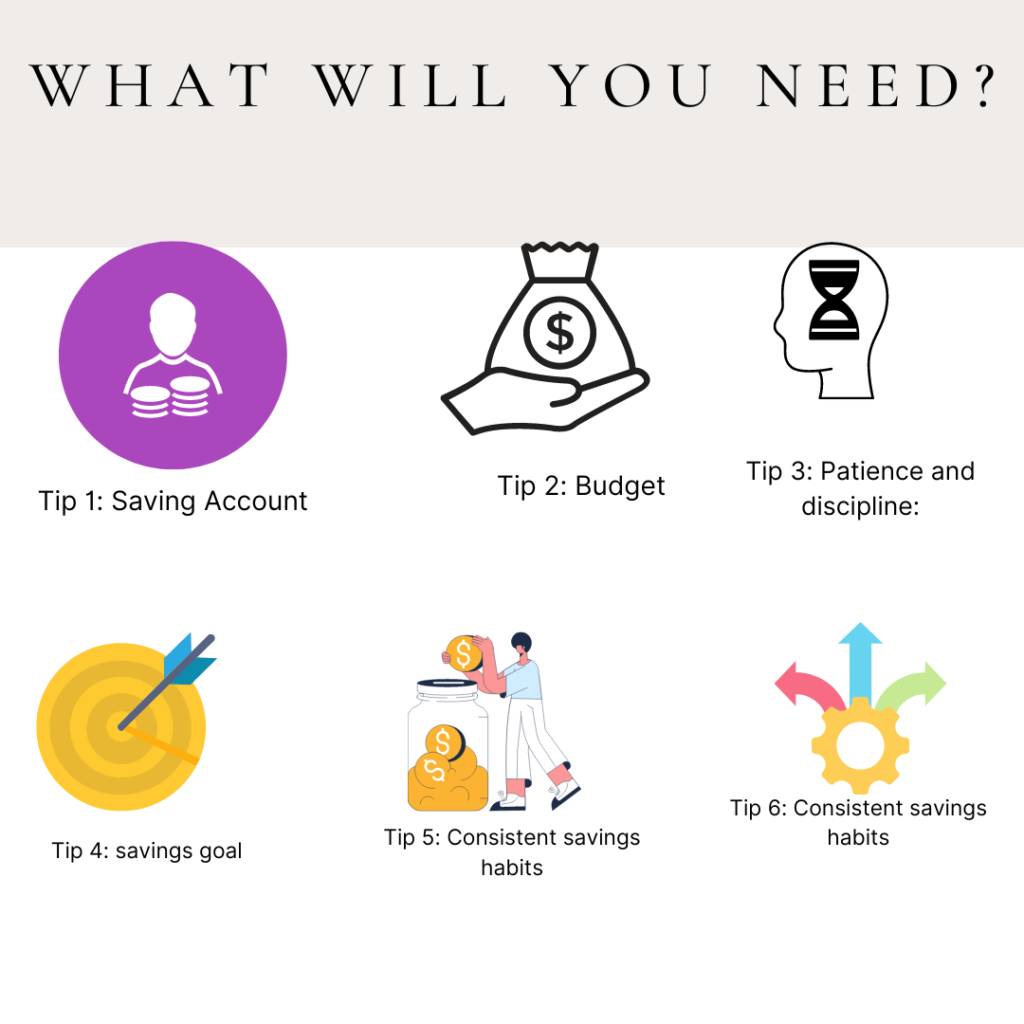
Start small: Don't try to save too much too soon. Start with a manageable goal, such as saving $10 or $20 per week. As you get into the habit of saving, you can gradually increase the amount.
Take advantage of tax-advantaged accounts: Consider opening a savings account or a tax-advantaged retirement account, such as a Roth IRA, to save for your emergency fund. These accounts can help your money grow faster over time.
Avoid impulse purchases: Be mindful of your spending habits and avoid making impulse purchases. Before buying something, ask yourself if it's really necessary or if you can afford to wait.
Consider a side hustle: If you're struggling to make ends meet on a minimum wage, consider starting a side hustle to increase your income. This could be anything from freelancing to selling items online or dog walking.
Automating Your Savings
One of the most effective ways to build an emergency fund is to automate your savings. Set up a automatic transfer from your checking account to your savings or emergency fund account. This way, you'll ensure that you save a fixed amount regularly, without having to think about it. You can also consider setting up a separate savings account specifically for your emergency fund, which can help you avoid the temptation to dip into it for non-essential expenses.
Using Windfalls to Boost Your Emergency Fund
Windfalls, such as tax refunds or bonuses, can be a great way to boost your emergency fund. Instead of splurging on something non-essential, consider putting the money towards your emergency fund. This can help you make significant progress towards your savings goal and give you a sense of accomplishment.
Overcoming Obstacles and Staying Motivated
Building an emergency fund on a minimum wage can be challenging, and it's essential to stay motivated and focused on your goal. Here are some tips to help you overcome obstacles and stay on track:
Set realistic goals: Don't set yourself up for failure by setting unrealistic goals. Break your goal into smaller, manageable steps, and celebrate your progress along the way.
Find a savings buddy: Having someone to hold you accountable and share your progress with can be a great motivator. Consider finding a friend or family member who is also working towards a savings goal.
Use visual reminders: Place a reminder on your fridge or phone to remind you of your savings goal. This can help you stay focused and motivated, even when it feels like saving is a sacrifice.
Consider the benefits: Remember that having an emergency fund in place can give you peace of mind and help you avoid financial stress. Keep your eyes on the prize and remind yourself of the benefits of saving.
Building an emergency fund on a minimum wage requires patience, discipline, and creativity. By following these tips and staying motivated, you can create a financial safety net that will help you navigate life's unexpected expenses. Remember, every little bit counts, and even small, regular savings can add up over time. So, start today and take the first step towards building a brighter financial future.