
When it comes to giving your kitchen a makeover, one of the most impactful and cost-effective ways to do so is by painting your kitchen cabinets. Not only can it completely transform the look and feel of your kitchen, but it can also be a fun and rewarding DIY project. However, if you're not careful, it can also be a disaster waiting to happen. That's why it's essential to know how to paint your kitchen cabinets like a pro. In this article, we'll take you through the step-by-step process of painting your kitchen cabinets, from preparation to completion.
Preparation is Key
Before you even think about picking up a paintbrush, you need to prepare your kitchen cabinets for painting. This involves removing all the hardware, such as knobs and handles, and taking out the shelves and drawers. This will give you a clean slate to work with and ensure that you don't get any paint on the hardware or other components. You should also cover your floors, countertops, and any surrounding surfaces with drop cloths or plastic sheets to protect them from paint spills and splatters.

Next, you need to clean your kitchen cabinets thoroughly to remove any dirt, grime, or grease that may be accumulated on the surface. This is crucial because paint adheres best to clean surfaces, and any dirt or grime can affect the finish of the paint. You can use a mixture of soap and water to clean the cabinets, and then dry them thoroughly with a towel. If your cabinets have a glossy finish, you may need to use a deglosser to roughen up the surface and create a better bond between the old finish and the new paint.
Choosing the Right Paint
When it comes to choosing the right paint for your kitchen cabinets, there are a few things you need to consider. First, you need to decide on the color and finish you want. Do you want a bright and bold color, or a more subtle and neutral tone? Do you want a glossy finish, or a matte finish? Once you've decided on the color and finish, you need to choose the right type of paint. There are two main types of paint you can use on kitchen cabinets: latex paint and oil-based paint. Latex paint is water-based and easy to clean up, while oil-based paint is more durable and resistant to scratches and fading.
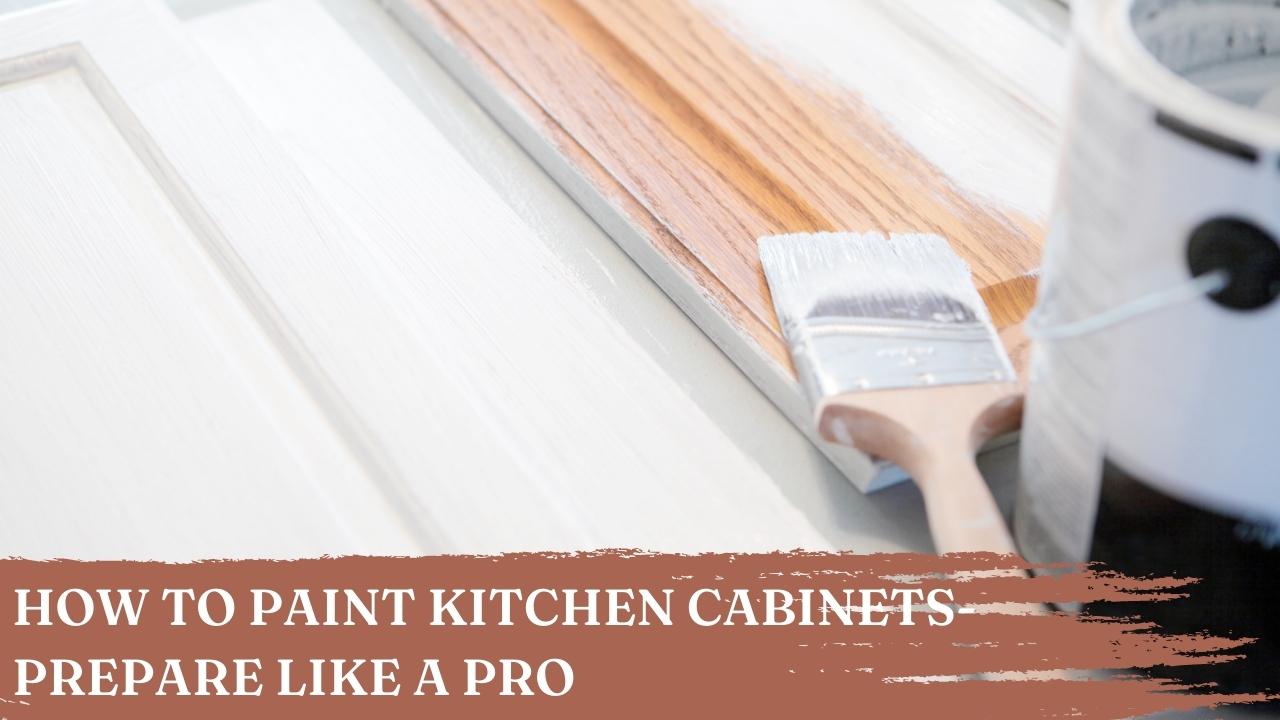
Another thing to consider when choosing paint is the level of sheen. The level of sheen refers to how shiny or flat the paint is. A higher sheen means the paint is more reflective and easier to clean, while a lower sheen means the paint is more flat and less reflective. For kitchen cabinets, a semi-gloss or high-gloss paint is usually the best choice because it's easy to clean and resistant to moisture. However, if you want a more subtle look, you can choose a satin or eggshell finish.
Preparing the Surface
Once you've chosen the right paint, you need to prepare the surface of your kitchen cabinets for painting. This involves sanding the surface to roughen it up and create a better bond between the old finish and the new paint. You can use a fine-grit sandpaper to sand the surface, and then wipe it clean with a tack cloth to remove any dust or debris. If your cabinets have any holes or cracks, you can fill them with a wood filler and sand them smooth before painting.

After you've sanded and filled any holes or cracks, you need to prime the surface of your kitchen cabinets. Priming helps to create a uniform base color and ensures that the paint adheres evenly to the surface. You can use a latex primer or an oil-based primer, depending on the type of paint you're using. Apply the primer according to the manufacturer's instructions and let it dry completely before painting.
Painting Your Kitchen Cabinets
Now that you've prepared the surface of your kitchen cabinets, it's time to start painting. Start by applying a thin coat of paint to the surface, using a high-quality paintbrush or roller. Work in small sections, painting one section at a time to ensure that the paint doesn't dry out before you can finish. Use long, smooth strokes to apply the paint, and make sure to cover the entire surface evenly.
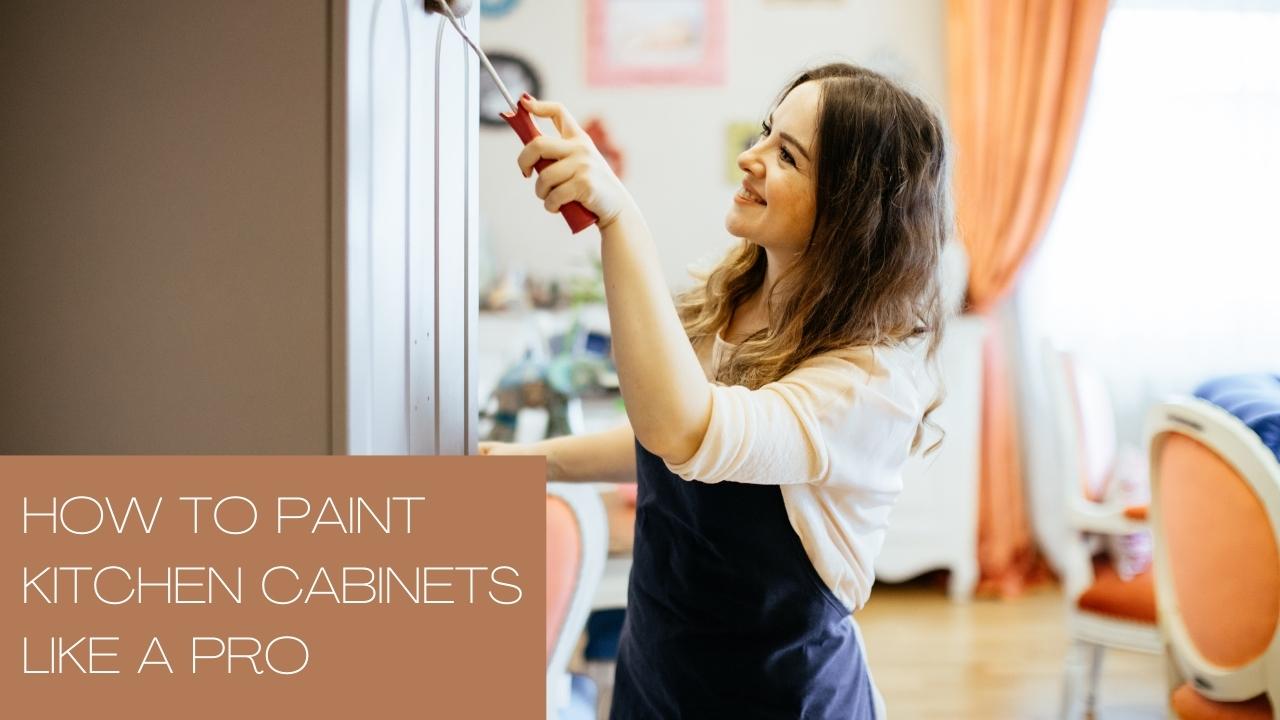
After you've applied the first coat of paint, let it dry completely according to the manufacturer's instructions. Then, apply a second coat of paint, following the same process as before. If you want a glossy finish, you can apply a third coat of paint, but make sure to let the second coat dry completely before applying the third coat. Once you've finished painting, remove the drop cloths and plastic sheets, and replace the hardware and any other components you removed.
Tips and Tricks
Painting your kitchen cabinets can be a bit tricky, but with a few tips and tricks, you can achieve a professional-looking finish. One of the most important things to remember is to work in a well-ventilated area, and to use a mask or respirator to protect yourself from paint fumes. You should also use a high-quality paintbrush or roller to apply the paint, and make sure to clean your tools regularly to prevent paint from drying on them.
Another tip is to use a paint with a built-in primer, which can save you time and effort in the long run. You can also use a paint with a satin or eggshell finish, which is more forgiving than a glossy finish and can hide any minor imperfections. Finally, make sure to let the paint dry completely before putting your kitchen cabinets back together, and avoid using the cabinets for at least 24 hours after painting to allow the paint to cure.
Caring for Your Newly Painted Kitchen Cabinets
Once you've finished painting your kitchen cabinets, you need to take care of them to ensure they last for a long time. One of the most important things to remember is to clean them regularly, using a mild soap and water. Avoid using harsh chemicals or abrasive cleaners, which can damage the paint and the surface of the cabinets. You should also avoid exposing the cabinets to extreme temperatures, moisture, or direct sunlight, which can cause the paint to fade or peel.
In addition to cleaning and maintaining your kitchen cabinets, you should also inspect them regularly for any signs of wear and tear. If you notice any cracks or scratches, you can touch them up with a small amount of paint to prevent them from getting worse. You can also apply a clear coat of polyurethane to protect the paint and make it easier to clean. By following these tips and tricks, you can keep your kitchen cabinets looking like new for years to come.
In conclusion, painting your kitchen cabinets can be a fun and rewarding DIY project, but it requires careful preparation and attention to detail. By following the steps outlined in this article, you can achieve a professional-looking finish and give your kitchen a whole new look. Remember to choose the right paint, prepare the surface, and apply the paint carefully, and don't forget to clean and maintain your kitchen cabinets regularly to ensure they last for a long time. With a little patience and practice, you can paint your kitchen cabinets like a pro and enjoy the fruits of your labor for years to come.