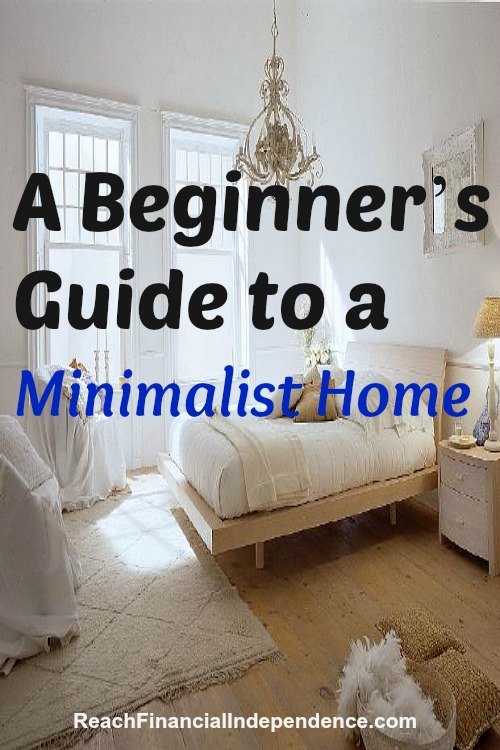
Creating a minimalist home can be a daunting task, especially if you're not sure where to start. As someone who's been on this journey myself, I completely understand the feeling of being overwhelmed by all the stuff that seems to be taking over our lives. But trust me, the benefits of living in a minimalist home far outweigh the challenges of getting there. In this article, we'll explore the basics of minimalist living and provide you with a step-by-step guide on how to create a minimalist home that reflects your personal style and values.
What is Minimalist Living?
Minimalist living is all about simplicity and intentionality. It's about living with only the things that bring value and joy to your life, and getting rid of everything else. This means embracing a more streamlined and organized way of living, where every item in your home has a purpose and serves a specific function. Minimalist living is not just about getting rid of stuff, but also about creating a more mindful and intentional approach to consumption and ownership. By living with fewer possessions, you'll be able to focus on what really matters to you, whether that's spending time with loved ones, pursuing your passions, or simply enjoying the peace and quiet of a clutter-free home.
One of the biggest misconceptions about minimalist living is that it's all about deprivation and sacrifice. But the truth is, minimalist living is actually about living a more abundant and fulfilling life. By letting go of the things that no longer serve us, we're able to make room for new experiences, relationships, and opportunities that bring joy and meaning to our lives.

Benefits of Minimalist Living
So, what are the benefits of minimalist living? For starters, living in a clutter-free home can have a significant impact on our mental and emotional well-being. When our surroundings are tidy and organized, we feel more calm, focused, and in control. Minimalist living can also help us save money, reduce stress, and increase our productivity. By owning fewer possessions, we'll spend less time cleaning, maintaining, and replacing them, which means we'll have more time and energy to devote to the things that really matter to us.
In addition to these benefits, minimalist living can also have a positive impact on the environment. By consuming less and wasting less, we're able to reduce our carbon footprint and contribute to a more sustainable future. And let's not forget about the financial benefits of minimalist living. By living with fewer possessions, we'll spend less money on buying, maintaining, and replacing them, which means we'll have more money in our pockets to invest in the things that bring us joy and fulfillment.
Getting Started with Minimalist Living
So, how do you get started with minimalist living? The first step is to take stock of your current situation and identify areas where you can simplify and streamline your life. Start by going through your home, room by room, and getting rid of anything that's broken, outdated, or no longer serves a purpose. Be ruthless – if you haven't used it in the past year, it's probably safe to get rid of it. Consider donating gently used items to charity, selling items that still have value, or recycling items that can't be reused.
As you declutter your home, remember to keep the things that bring you joy and serve a purpose. This might include sentimental items, such as family photos or heirlooms, as well as functional items, such as kitchen gadgets or cleaning supplies. The key is to strike a balance between keeping the things that matter to you and getting rid of the things that don't.

Creating a Minimalist Home
Once you've decluttered your home, it's time to think about how you can create a minimalist space that reflects your personal style and values. This might involve simplifying your color scheme, using natural materials and textures, and incorporating plenty of plants and greenery. Consider the 80/20 rule, which suggests that 80% of the time, you only use 20% of your belongings. By keeping this in mind, you can focus on the items that bring you the most value and joy, and get rid of the rest.
When it comes to decorating your minimalist home, remember that less is often more. Avoid cluttering your walls with too many pictures or decorations, and instead opt for a few statement pieces that reflect your personal style. Consider using multi-functional furniture, such as a storage ottoman or a desk with built-in shelving, to reduce clutter and increase functionality. And don't forget to leave some empty space – a clutter-free home is not just about getting rid of stuff, but also about creating a sense of calm and serenity.
Tips for Maintaining a Minimalist Home
Maintaining a minimalist home requires ongoing effort and commitment, but it's worth it in the long run. Here are a few tips to help you stay on track: set a regular decluttering schedule, whether it's daily, weekly, or monthly, to keep your home tidy and organized. Consider implementing a "one in, one out" policy, where you get rid of an old item every time you bring a new one into your home. And remember to be mindful of your consumption habits, avoiding impulse purchases and buying only what you need.
Another key aspect of maintaining a minimalist home is to create habits and routines that support your lifestyle. This might involve creating a daily cleaning routine, setting up a regular laundry schedule, or implementing a meal planning system to reduce food waste. By creating systems and routines that work for you, you'll be able to maintain your minimalist home with ease, and enjoy the many benefits that come with it.
Common Challenges of Minimalist Living
Of course, minimalist living is not without its challenges. One of the biggest obstacles many people face is the emotional attachment to their belongings. Whether it's a sentimental item, such as a family heirloom, or a functional item, such as a favorite kitchen gadget, it can be hard to let go of the things that hold meaning and value to us. But remember, the goal of minimalist living is not to deprive yourself of the things you love, but to create a more intentional and mindful approach to consumption and ownership.
Another common challenge of minimalist living is the pressure to conform to societal norms. In a culture that often values consumerism and material possessions, it can be hard to resist the temptation to buy more and accumulate more stuff. But remember, the benefits of minimalist living far outweigh the costs, and by staying true to your values and goals, you'll be able to create a home and a life that truly reflects your unique perspective and style.
In conclusion, creating a minimalist home is a journey that requires patience, dedication, and a willingness to let go of the things that no longer serve us. By embracing the principles of minimalist living, we can create a more intentional, mindful, and fulfilling life, one that is filled with purpose, joy, and beauty. So why not start your journey today, and see where the path of minimalist living takes you? With its many benefits, from reduced stress and increased productivity to a more sustainable and environmentally-friendly lifestyle, minimalist living is an approach to life that is definitely worth considering.