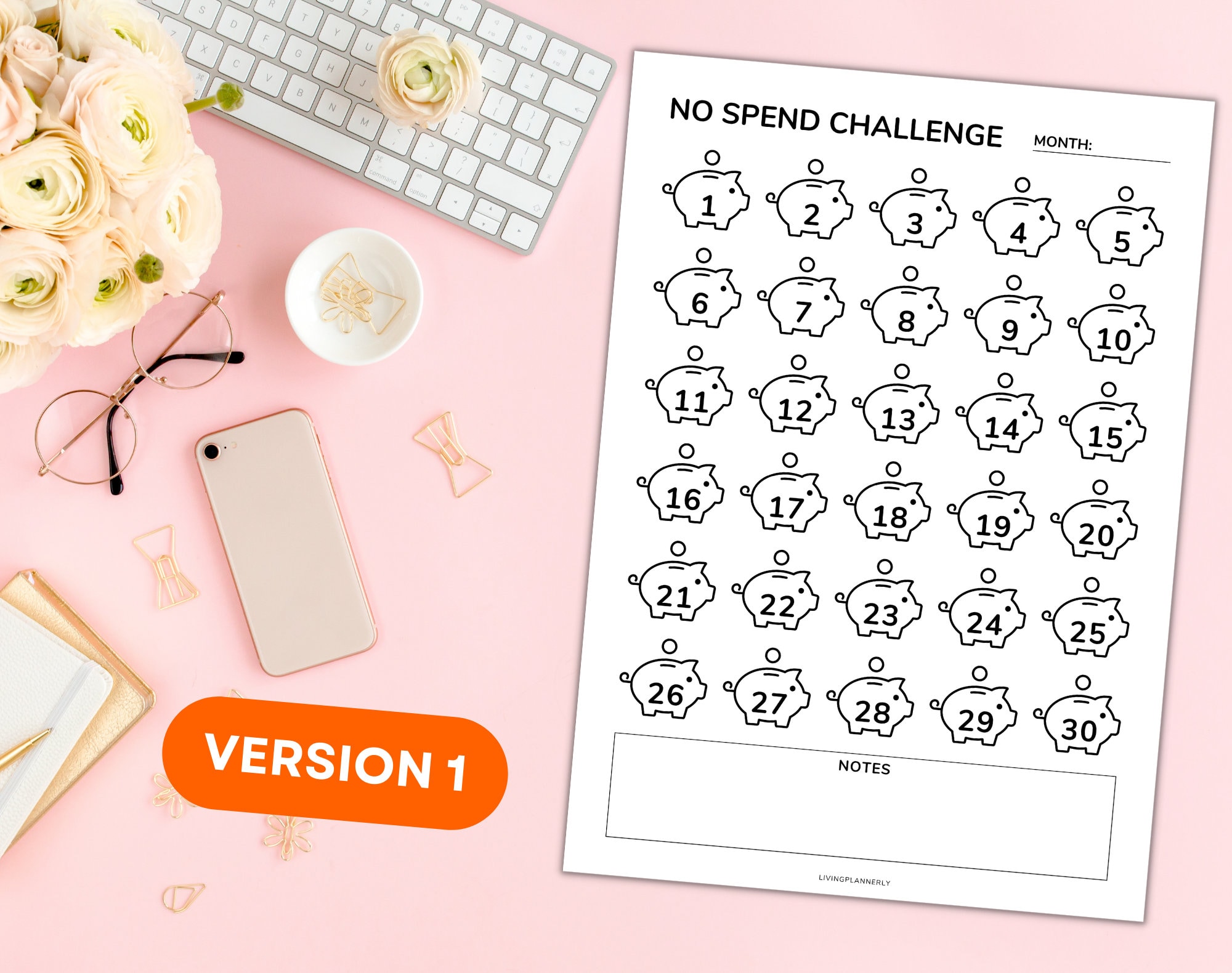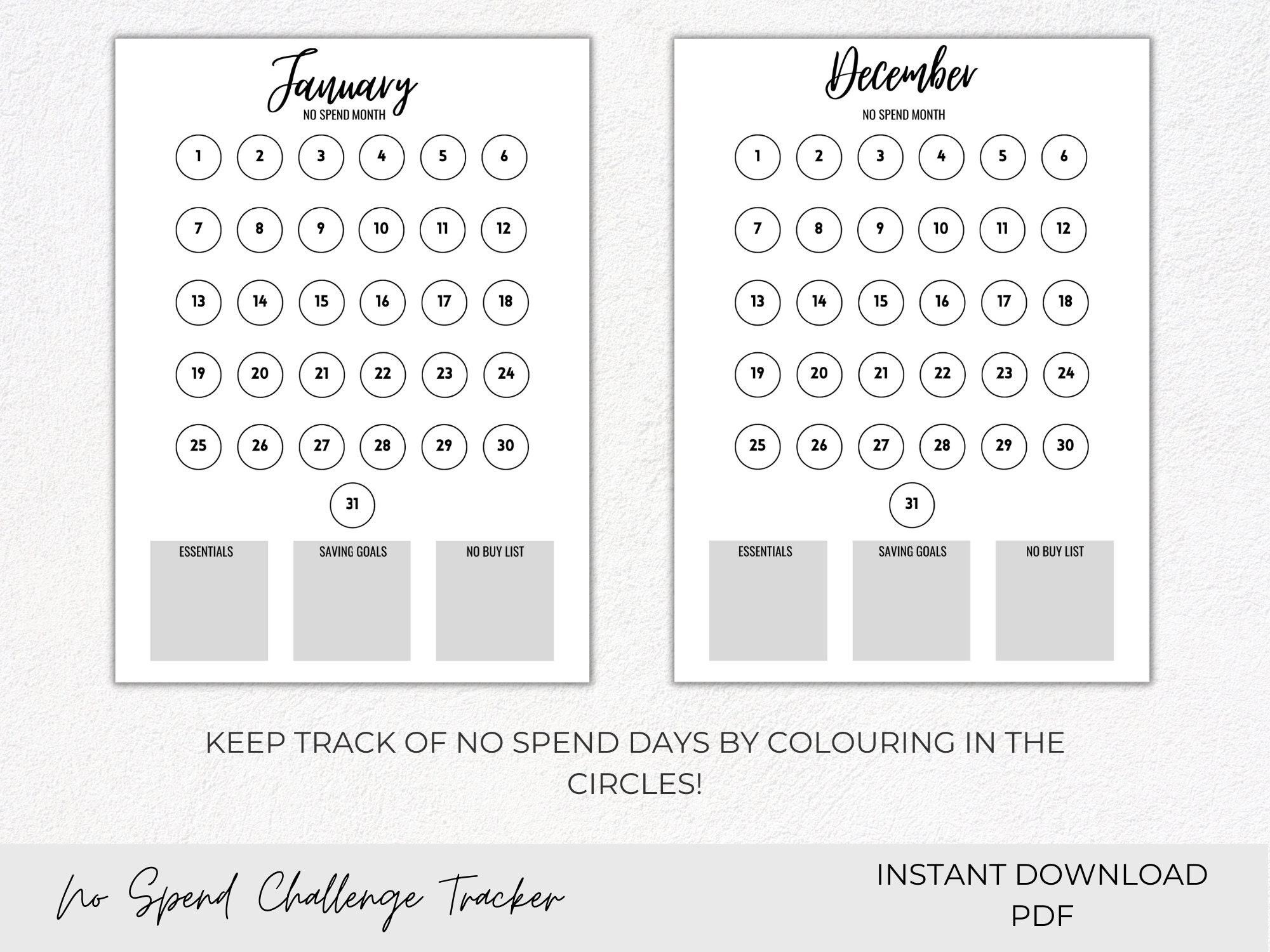
Have you ever found yourself scrolling through your bank statement, wondering where all your money went? You're not alone. Many of us struggle with overspending, and it can be hard to break the habit. That's why I want to introduce you to the 'no-spend challenge'. It's a simple yet powerful way to take control of your finances and develop healthier spending habits. In this article, we'll explore the benefits of the no-spend challenge and provide you with a step-by-step guide on how to get started.
What is the No-Spend Challenge?
The no-spend challenge is a period of time, usually a month, where you commit to not spending any money on non-essential items. This means cutting back on things like dining out, entertainment, and hobbies. The goal is to reduce your discretionary spending and allocate that money towards more important things, like saving, debt repayment, or investing. It may sound daunting, but trust me, it's worth it. By the end of this challenge, you'll be amazed at how much money you can save and how much more mindful you'll become of your spending habits.

Benefits of the No-Spend Challenge
So, why should you try the no-spend challenge? For starters, it can help you save a significant amount of money. Let's say you normally spend $500 per month on non-essential items. By cutting back on those expenses, you can save $500 in just one month. That's a pretty impressive chunk of change. Additionally, the no-spend challenge can help you develop healthier spending habits. By being more mindful of your spending, you'll start to notice areas where you can cut back and make more conscious purchasing decisions. This can lead to long-term financial stability and reduced stress.
Another benefit of the no-spend challenge is that it can help you appreciate what you already have. When you're not constantly buying new things, you start to appreciate the things you already own. This can lead to a more minimalist lifestyle and reduced waste. Plus, it can be a fun and creative challenge to find ways to entertain yourself without spending money. You might discover new hobbies or activities that you enjoy, and you'll be amazed at how much you can accomplish without breaking the bank.
How to Get Started with the No-Spend Challenge
So, how do you get started with the no-spend challenge? First, you'll need to set a specific goal for yourself. Decide what you want to achieve through this challenge, whether it's saving a certain amount of money or developing healthier spending habits. Next, track your expenses to see where your money is going. Make a list of all your necessary expenses, such as rent, utilities, and groceries, and then identify areas where you can cut back. You might be surprised at how much you can save by making a few simple changes.

Once you have a clear understanding of your expenses, it's time to create a budget. Allocate your money towards necessary expenses and savings, and then see how much you have left over for discretionary spending. Be realistic about what you can cut back on, and don't be too hard on yourself if you slip up. Remember, this is a challenge, and it's okay to make mistakes. The key is to learn from those mistakes and move forward. Finally, find ways to stay motivated and accountable throughout the challenge. You might consider joining a support group or finding a friend to participate with you.
The no-spend challenge can be a fun and rewarding experience, but it's not without its challenges. You might face temptation from friends or family members who don't understand why you're not spending money. You might feel bored or restless without your usual spending habits. But don't worry, these feelings are temporary, and the benefits of the no-spend challenge far outweigh the difficulties. With a little creativity and determination, you can overcome any obstacle and achieve your financial goals.
Tips for Success
So, how can you ensure success with the no-spend challenge? First, start small. Don't try to cut back on everything at once. Start with one or two areas, such as dining out or entertainment, and work your way up. This will help you build confidence and momentum as you progress through the challenge. Next, find free alternatives to your usual spending habits. Instead of going to the movies, have a movie night at home. Instead of dining out, cook at home. You might be surprised at how much fun you can have without spending money.

Another tip for success is to stay busy. When you're not spending money, you might find yourself with more free time on your hands. Use this time to pursue hobbies or activities that you enjoy, but that don't cost money. You might try reading, writing, or volunteering. Not only will these activities keep you entertained, but they'll also help you develop new skills and interests. Finally, be kind to yourself and don't give up. Remember, this is a challenge, and it's okay to make mistakes. The key is to learn from those mistakes and move forward.
The no-spend challenge can be a life-changing experience, but it's not for everyone. If you're struggling with debt or financial insecurity, you might need to take a more drastic approach to getting your finances in order. However, for most people, the no-spend challenge can be a fun and rewarding way to take control of your finances and develop healthier spending habits. So, if you're ready to take the first step towards financial freedom, consider trying the no-spend challenge this month. You might be surprised at how much you can save and how much more mindful you'll become of your spending habits.
Conclusion
In conclusion, the no-spend challenge is a simple yet powerful way to take control of your finances and develop healthier spending habits. By cutting back on non-essential expenses and allocating that money towards more important things, you can save a significant amount of money and reduce financial stress. The no-spend challenge can also help you appreciate what you already have and develop a more minimalist lifestyle. With a little creativity and determination, you can overcome any obstacle and achieve your financial goals. So, if you're ready to take the first step towards financial freedom, consider trying the no-spend challenge this month. You might be surprised at how much you can save and how much more mindful you'll become of your spending habits.
Remember, the no-spend challenge is not about depriving yourself of things you enjoy, but about being more mindful of your spending habits and making conscious purchasing decisions. It's about taking control of your finances and creating a more stable and secure future for yourself. So, don't be afraid to try something new and take the first step towards financial freedom. You got this!