
Are you planning a trip to Europe soon? Whether you're a seasoned traveler or embarking on your first European adventure, it's essential to be aware of the common tourist scams that can quickly turn your dream vacation into a nightmare. As a traveler myself, I've had my fair share of close calls and learned the hard way how to avoid these scams. In this article, I'll share my expertise with you, so you can enjoy your European getaway without worrying about falling prey to these common tourist scams.
Understanding the Scams
Before we dive into the ways to avoid these scams, it's crucial to understand what they are and how they work. Tourist scams in Europe can range from pickpocketing and street performing scams to more sophisticated schemes like fake tourist information offices and overpriced restaurants. The scammers often target unsuspecting tourists who are distracted, lost, or unaware of their surroundings. They can be incredibly persuasive and convincing, making it difficult for even the most cautious travelers to spot them.
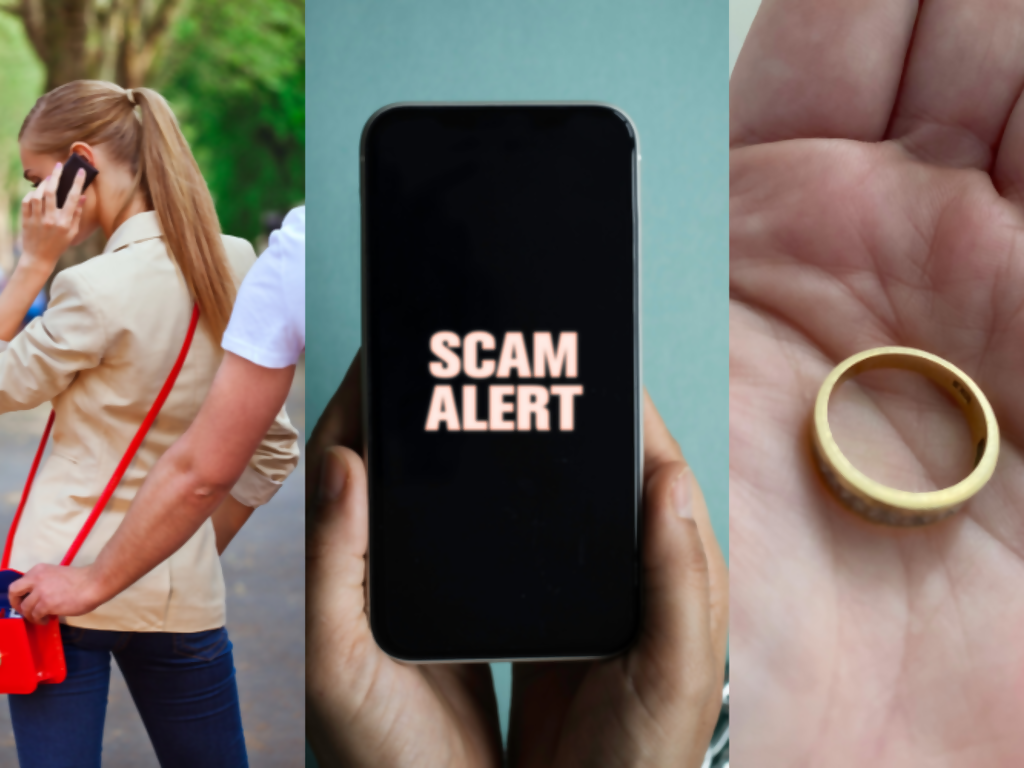
One of the most common scams in Europe is the "gold ring" scam. A person will approach you, claiming to have found a gold ring on the ground, and ask if it belongs to you. If you say no, they'll try to sell it to you at an inflated price, or worse, steal your valuables while you're distracted.

Research and Planning
Before you arrive in Europe, it's crucial to do your research and plan your itinerary carefully. Look up the places you want to visit, read reviews, and check the official websites of tourist attractions and restaurants. This will help you avoid fake establishments and overpriced services. Additionally, make sure to book your accommodations and tours through reputable websites and companies to avoid scams. You can also check with your hotel or local tourist information office for advice on safe areas to visit and how to avoid scams.
It's also a good idea to learn a few basic phrases in the local language, such as "hello," "thank you," and "where is...". This will not only help you navigate the city but also show that you're making an effort to respect the local culture.
Staying Safe in Crowded Areas
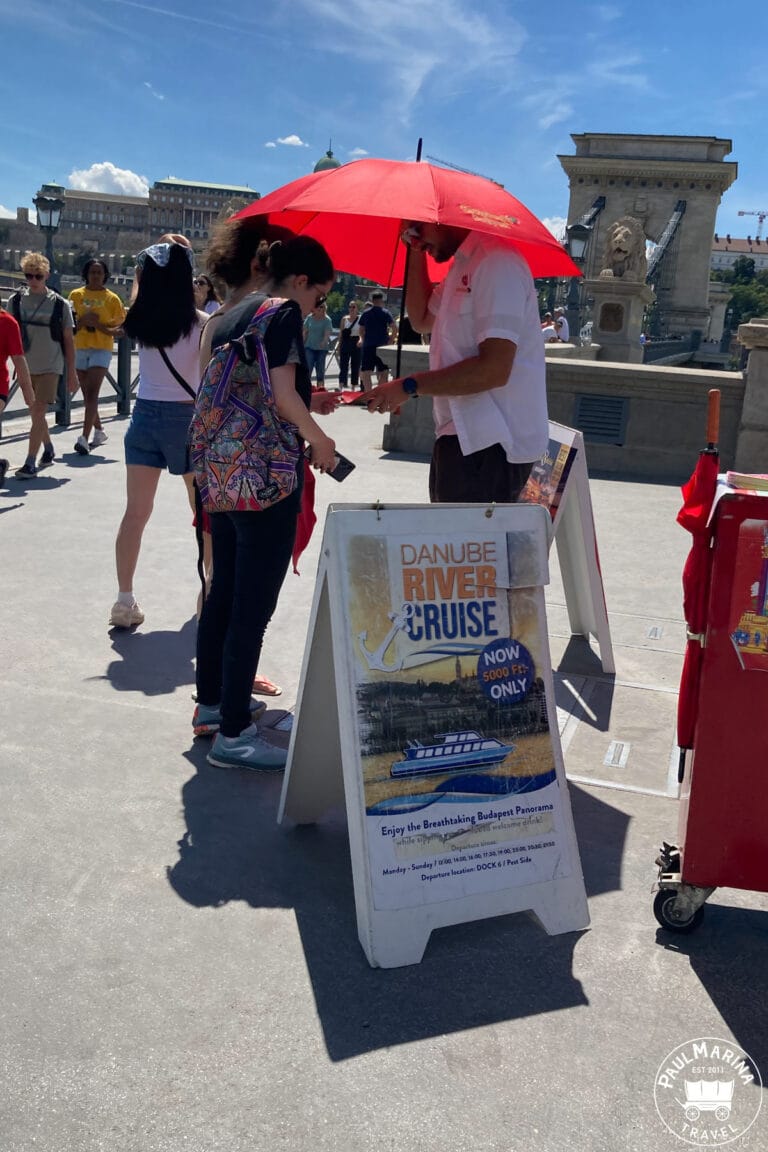
Crowded areas like train stations, airports, and tourist hotspots are breeding grounds for scammers. To stay safe, keep a close eye on your belongings, and avoid carrying large amounts of cash. Use a secure bag or backpack, and consider using a luggage tracker to keep tabs on your belongings. Be cautious of strangers who approach you, and never engage with people who are overly friendly or aggressive.

Additionally, be aware of your surroundings, and trust your instincts. If a situation feels suspicious or uncomfortable, trust your gut and remove yourself from the area. It's also a good idea to stay in well-lit and populated areas, especially at night. Avoid walking alone in dimly lit streets or areas that seem deserted. If you're lost, don't hesitate to ask for help from a local authority figure, such as a police officer or a street vendor.
Avoiding Scams in Restaurants and Bars
Restaurants and bars can be a haven for scammers, especially in tourist areas. To avoid being ripped off, always check the menu and prices before ordering, and make sure to ask for the bill in a language you understand. Be wary of restaurants with menus that are only in English, or those that have no prices listed.
It's also a good idea to research the restaurant or bar before visiting, and read reviews from other travelers. This will help you avoid establishments that are known to be scams or overpriced. Furthermore, consider eating at local eateries or street food stalls, which are often cheaper and more authentic. If you're unsure about the quality or price of a restaurant, don't hesitate to ask your hotel or a local for recommendations.
Dealing with Scammers
Despite your best efforts, you may still encounter scammers during your trip. If this happens, stay calm and polite, and avoid engaging with the scammer. Firmly but politely decline their offer or request, and walk away if necessary. Never give in to demands for money or valuables, and don't try to confront the scammer. Instead, report the incident to the local authorities, such as the police or tourist information office.
It's also a good idea to keep a record of any incidents, including the date, time, location, and details of what happened. This will help you provide a detailed report to the authorities and potentially prevent others from falling victim to the same scam.
Conclusion
Avoiding common tourist scams in Europe requires a combination of research, planning, and awareness. By understanding the scams, taking necessary precautions, and staying vigilant, you can enjoy a safe and stress-free trip. Remember to trust your instincts, stay informed, and be mindful of your surroundings. With these tips and a little common sense, you'll be well-equipped to navigate the streets of Europe and avoid falling prey to these common tourist scams.
In conclusion, Europe is a beautiful and fascinating continent, full of rich history, culture, and natural beauty. With the right mindset and preparation, you can have a fantastic time exploring its cities, landmarks, and countryside. So go ahead, book that ticket, and get ready for the adventure of a lifetime. Just remember to stay safe, be aware of your surroundings, and enjoy the journey. [IMAGE] Happy travels, and don't let the scammers get you down!